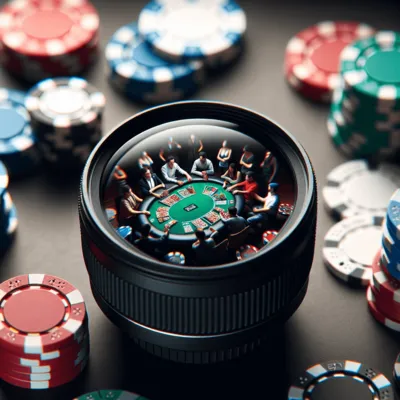
Mastering Pai Gow Poker: The Thinking Player's Casino Game

Pai Gow Poker is the calmest game on most casino floors and in most online lobbies: you are dealt seven cards, you arrange them into two hands, and you compare both against the dealer. Nothing forces you to act quickly, and the high rate of tied hands means a fixed bankroll stretches much further than it would on slots. It rewards thinking rather than nerve, which is precisely why steady players keep returning to it.
Why This Game Suits Patient Players
Speed is the hidden cost in most casino games. The faster the rounds come, the more decisions and the more stake turnover per hour, and turnover is what converts a house edge into a real loss. Pai Gow Poker runs slowly by design and produces a tie on a large share of hands, so the same deposit buys considerably more playing time than it would elsewhere.
The other appeal is that your decisions genuinely matter. Slot outcomes are fixed the moment the reels are triggered, but here the way you split your seven cards changes the result of the hand. That makes the game satisfying for anyone who wants to feel involved rather than merely present. Online lobbies now carry live dealer tables and multi-hand versions alongside the standard software game, which you can find in the Pai Gow Poker section. The reasons behind that expansion are set out in our look at the game's rising popularity.
How to Play, Step by Step
Place your bet and you receive seven cards from a deck of fifty-three, the extra one being a joker that counts as an ace or completes a straight or flush. Your task is to build a five-card high hand and a two-card low hand, with the five-card hand always ranking higher than the two-card one. Setting them the wrong way round fouls the hand, so most software prevents it outright.
The dealer then sets their own seven cards according to a fixed published procedure and both hands are compared. Two wins pays even money less commission, one win and one loss is a push, and two losses costs your stake. Identical hands go to the banker, which is why the banking option carries a small edge.
Strategy Worth Learning
- Balance the two hands. A superb five-card hand backed by nothing is a push waiting to happen. Both hands need enough strength to compete.
- Split two pairs in most situations. Sending the lower pair to the front turns a likely single win into a double win far more often than keeping them together does.
- Avoid a weak low hand on principle. Two low cards in front will lose to almost anything the dealer sets, regardless of how strong your back hand looks.
- Learn the house way first. The auto-set button applies it instantly and gives you a sound default while the patterns become familiar. Deeper hand-splitting detail is covered in our Pai Gow Poker hand-setting guide.

Choosing a Table and Managing Your Money
Check three things before sitting down: the commission charged on winning hands, whether player banking is offered, and the minimum stake. The commission is the main driver of the house edge here, so a table charging less is measurably better over a long session. Side bets on the same table carry a far higher edge and should be treated as an optional extra rather than part of your strategy.
Because pushes are frequent, it is tempting to treat the game as low risk and raise your stake accordingly. Resist that. Set the session budget first, keep your bet a small fraction of it, and use your operator's deposit limit tools so the decision is made while you are still clear-headed. Support on live chat can confirm table rules, and you can open the tables at game.ubet.fun.
Frequently asked questions
- How do you play Pai Gow Poker online?
- You place a bet, receive seven cards, and arrange them into a five-card high hand and a two-card low hand, with the five-card hand always outranking the other. Both hands are compared against the dealer's two hands. Winning both pays even money less commission, winning one is a push, and losing both loses your stake.
- Is Pai Gow Poker good for a small bankroll?
- It is one of the better options, because the frequent push outcomes mean money moves slowly and a fixed deposit lasts longer than it would on faster games. The pace also gives you time to think between hands. That said, the commission on winning hands still produces a house edge over time.
- What does the joker do in Pai Gow Poker?
- The deck contains fifty-three cards, with the joker acting as an ace or as the card needed to complete a straight or a flush. It cannot stand in for any other card. That limited wild function slightly raises the value of hands built around straights and flushes.
- What is the house way in Pai Gow Poker?
- It is the fixed published set of rules the dealer follows when splitting their own seven cards into two hands. Online tables offer an auto-set button that applies the same rules to your cards. It is a sound default while you learn, though it is not always the mathematically optimal split.
Ready to put this into practice? The 918KISS games have moved — play now at game.ubet.fun, or browse more PaiGow Poker guides on our PaiGow Poker page.